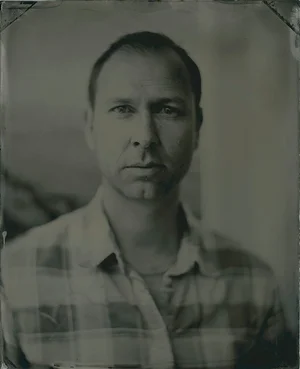
Quest 60 - Cirque Époque
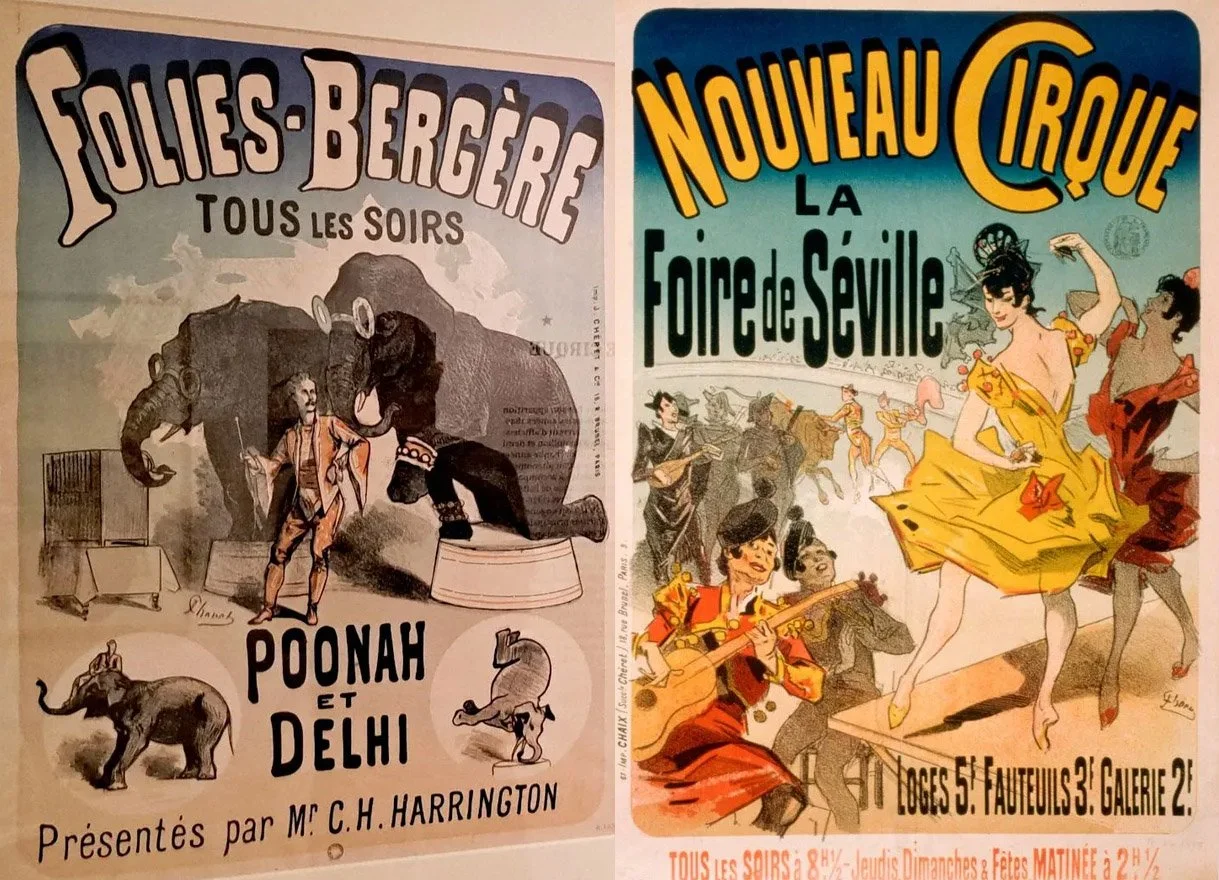
Two Jules Chéret posters, both from the 1880s — one for the Folies-Bergère elephant act, one for the Nouveau Cirque. Same artist, same era, same printing process. A century of weather, light, and handling has done the rest.
What does the surface tell us now?
Looking at Chéret's work was where the inspiration for this set really took hold. The colours got me first — what they've become over a century of light and air. Belle Époque printers used iron-oxide reds, actual rust pigments ground from earth, and they've been oxidizing ever since. The cyan inks were copper-based, and copper drifts slowly toward brown as it ages. The reds the audience saw in 1889 aren't the reds we see today. The teals aren't either. Every colour on every poster is a record of a chemical reaction that took more than a century to finish.
A great piece of art carries two stories. What it was when it was made, and what time has made of it since.
When I studied anthropology (archaeology) in university, one of the first lessons was that the surface of an object is itself a record. A painting in a museum is the painting the artist made, yes — but it's also the painting that was hung in a dim hallway for forty years, restored once with the wrong solvent, varnished too heavily in 1962, faded slightly along the side that caught the morning light. The patina is part of the work. So is the crackle in the varnish. So is the slight warming of the whites. Reading the surface — reading every layer of what time and handling have added — is its own kind of looking.
A photograph is the same, I think. The image you make in the camera is one story. What you choose to do with it after — how you edit, what you reach for, what you leave behind — is the second.
I caught myself thinking about that a few months ago when looking at a collection of old Jules Chéret circus posters.
Cirque Époque — Overture
The daytime poster. Sun-bleached teal skies and faded crimson, the kind of weathered grandeur that lives on a tent flap snapping in the wind. Built for the warmer, lighter end of the set.
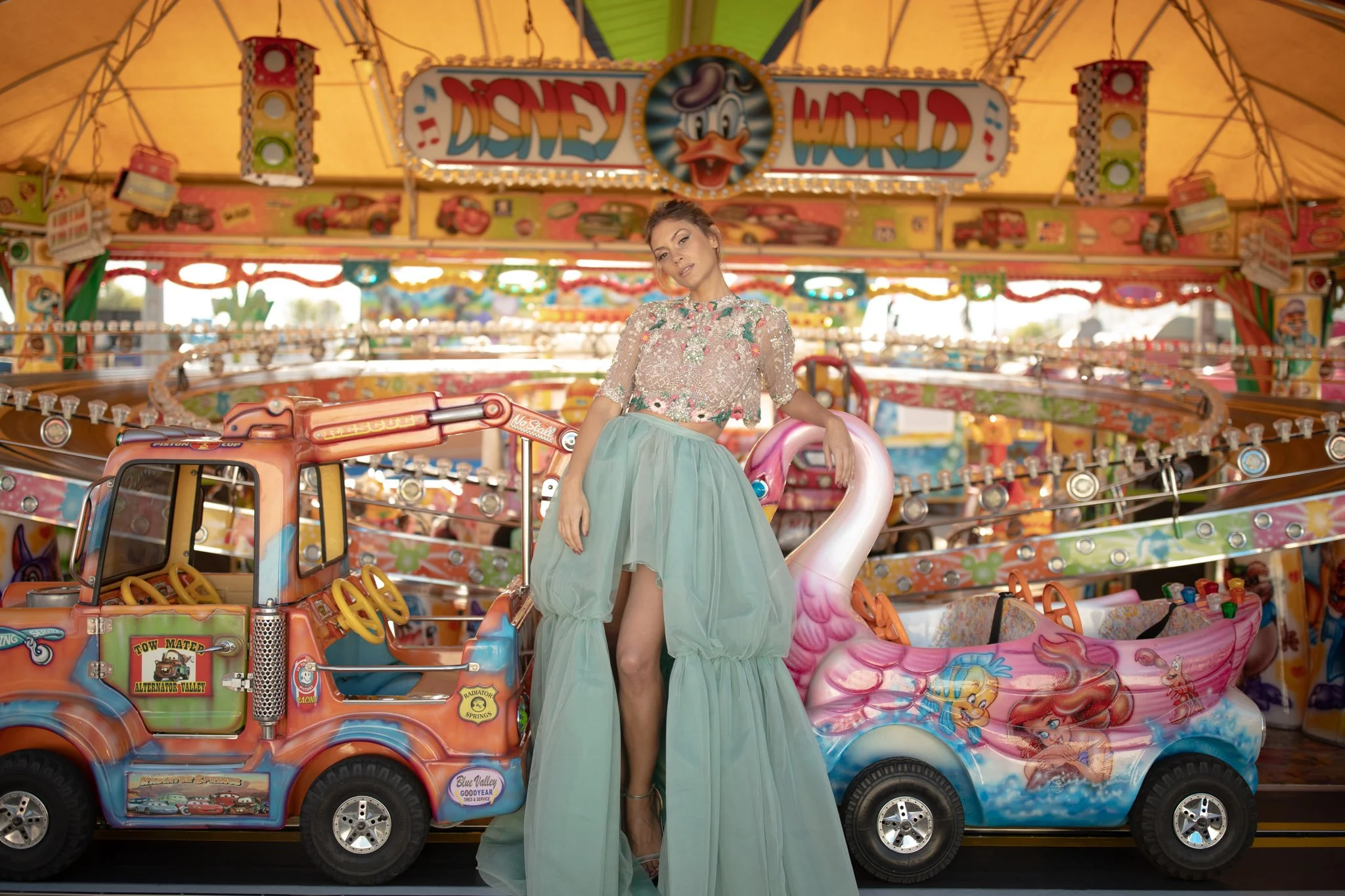
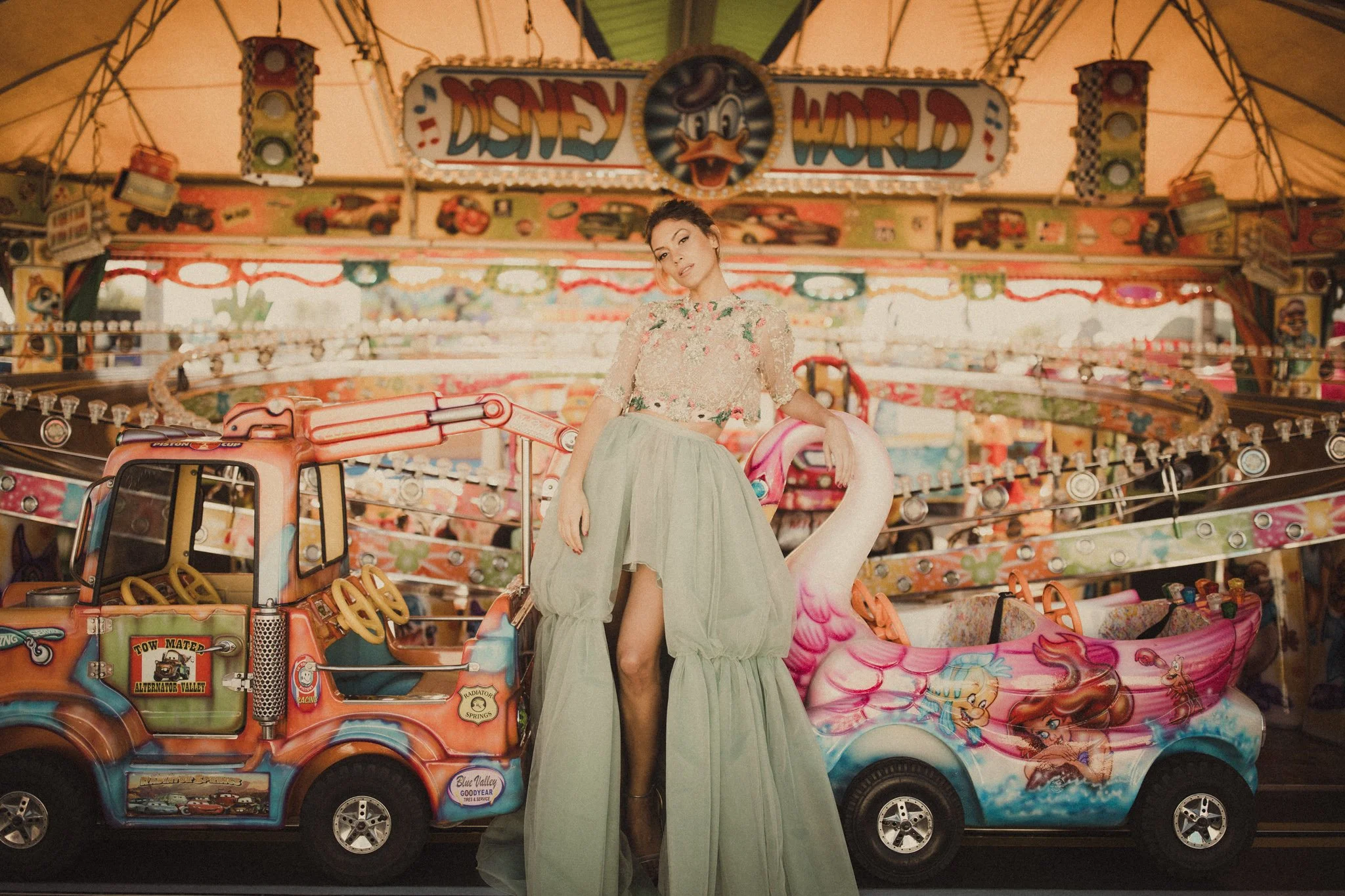
Edited with Cirque - Overture + Stage Smoke + Aged Playbill // Image by Ernesto Villalba
Cirque Époque — Spectacle
Gaslight and velvet, the deeper mood of the evening performance. Crimsons hold their richness. Shadows soften into mauve. The air feels heavier, the lighting more theatrical.
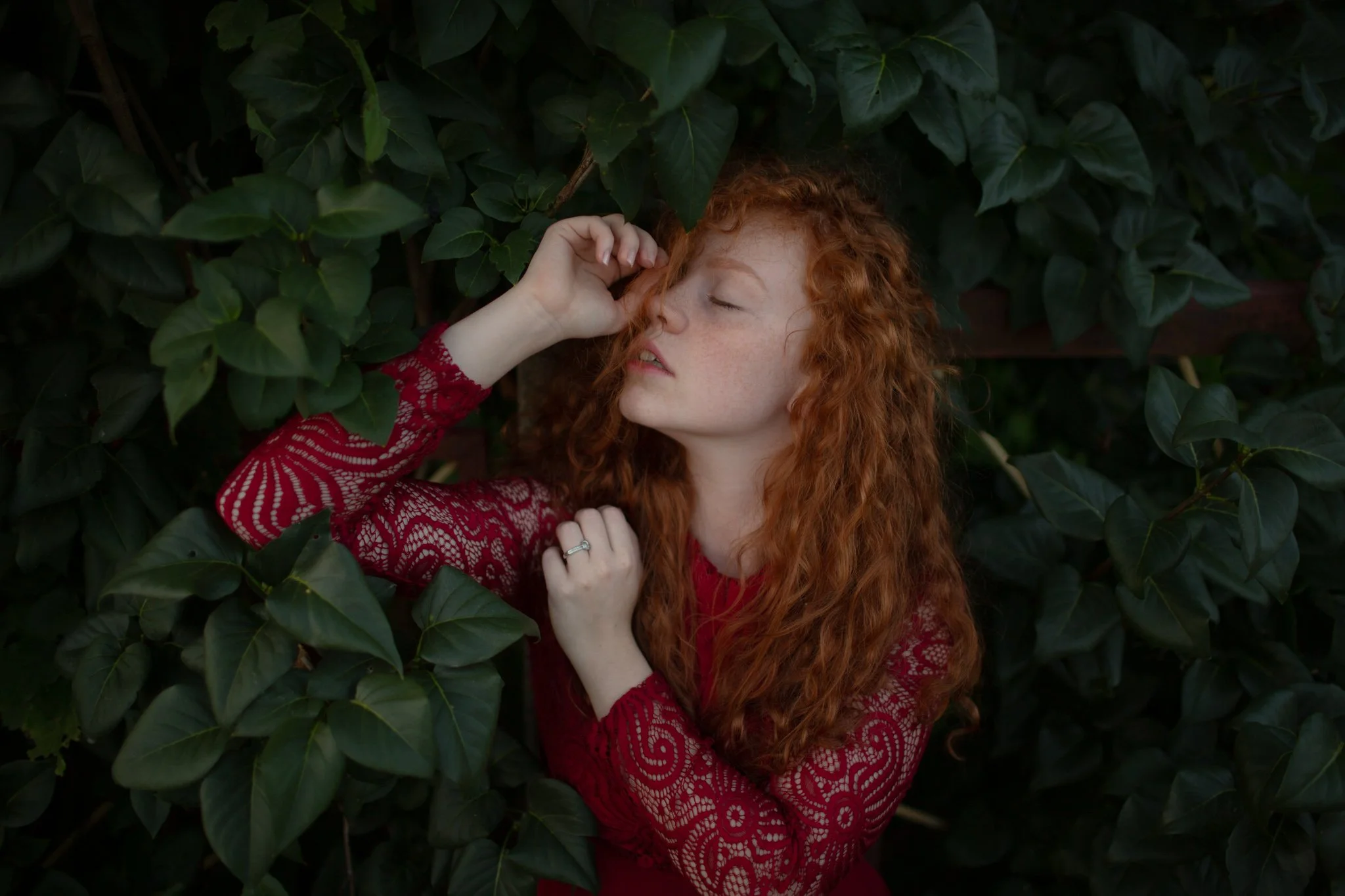

Edited with Cirque - Spectacle + Aged Playbill // Image by Maximilian Schumacher
Cirque Époque — Encore
The printed artifact itself. A yellowed handbill tucked into a programme, the warm sepia of paper that has carried its image through a century. A black and white tribute to the showbill as object.
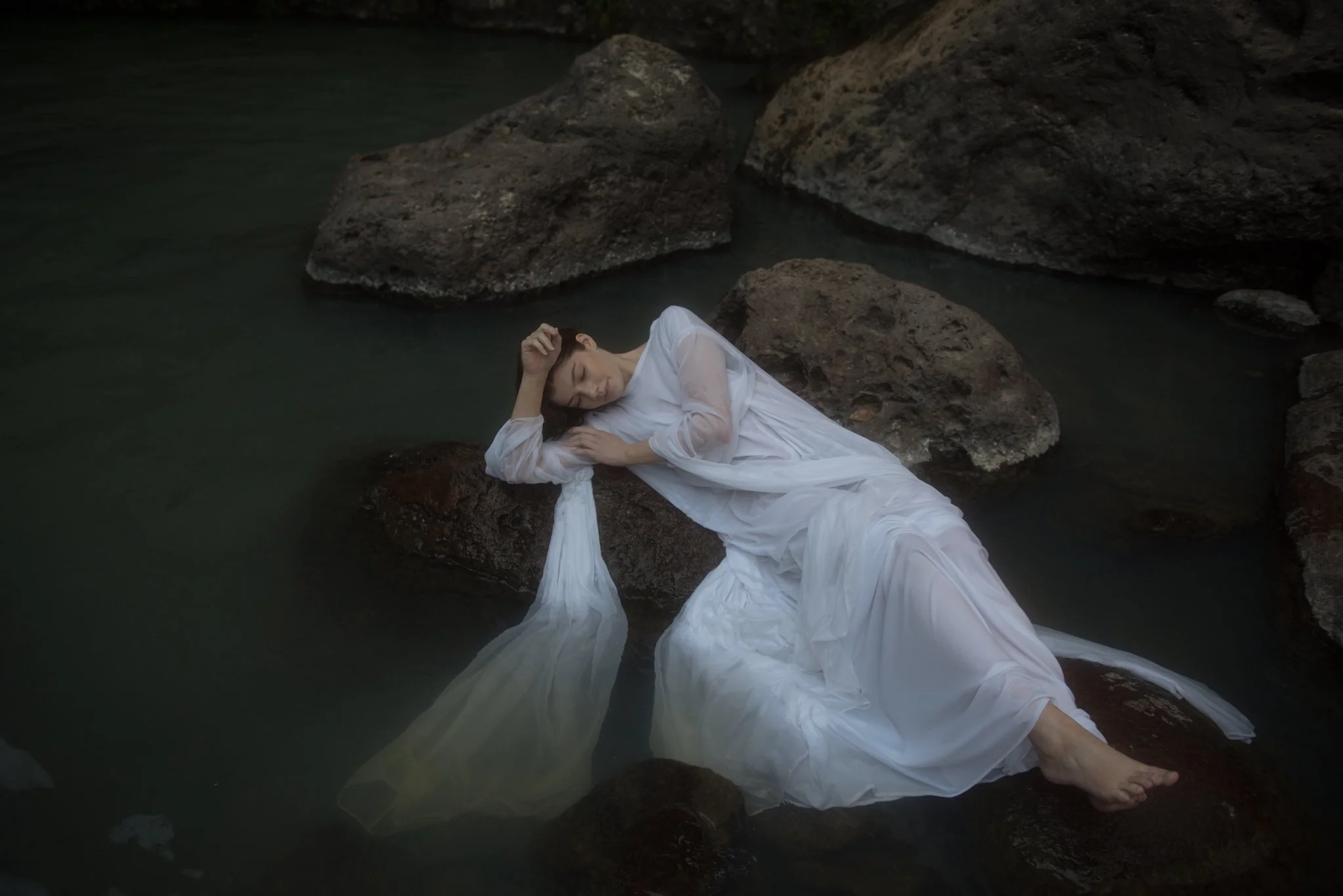
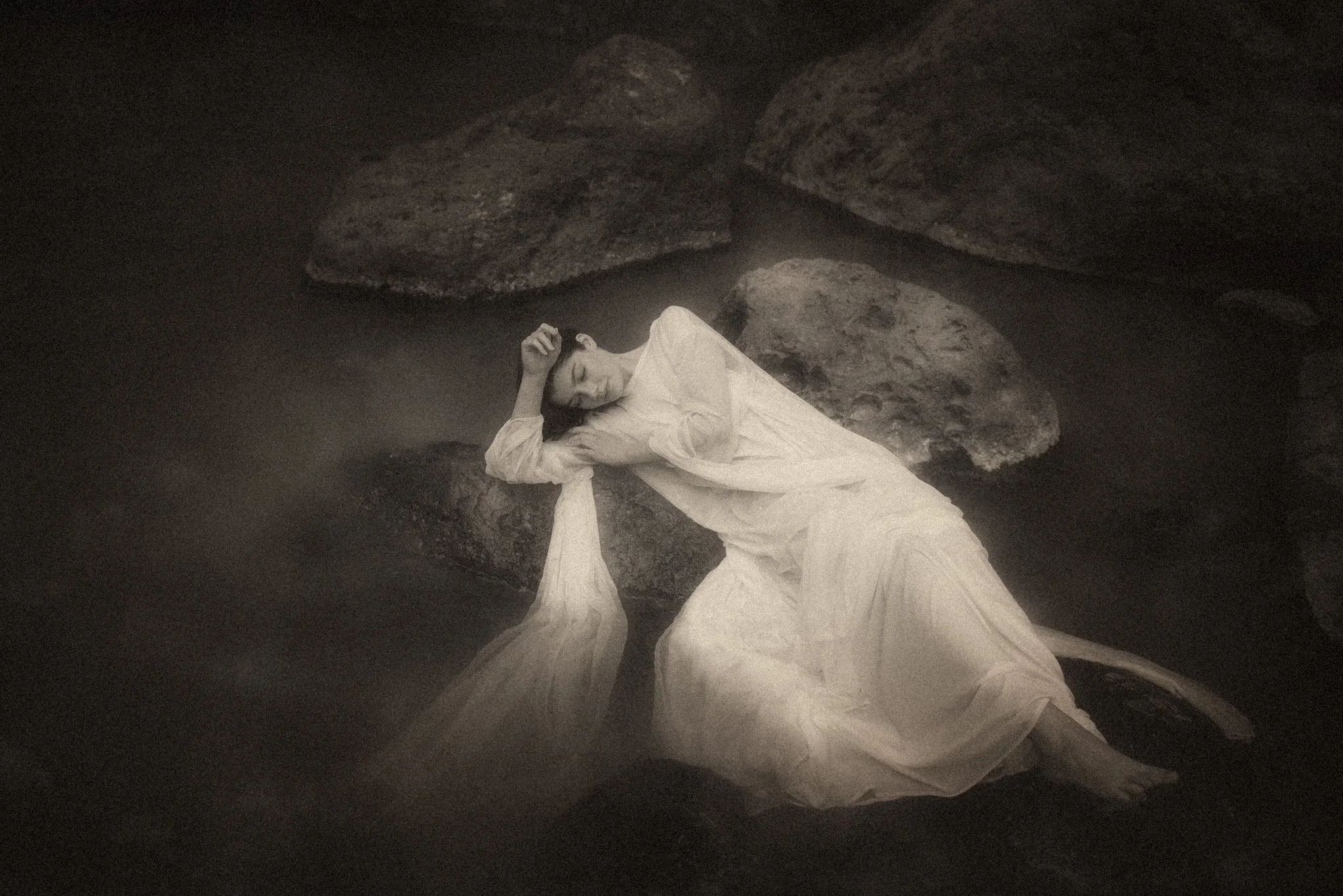
Edited with Cirque - Encore + Aged Playbill // Image by Carlos Cordero
The set also comes with a creative profile and a kit of atmospheric tools — smoke rolling under a big top, the spotlight that doesn't quite reach the corners, the foxing of aged paper, the fine texture of pulp printed by hand. Each tool is built to layer cleanly on top of the main presets, or to be used on its own when you want a hint of theatrical atmosphere without committing to the full treatment.